Five major stops on the Silk Road, each with its own atmosphere and architectural treasures.
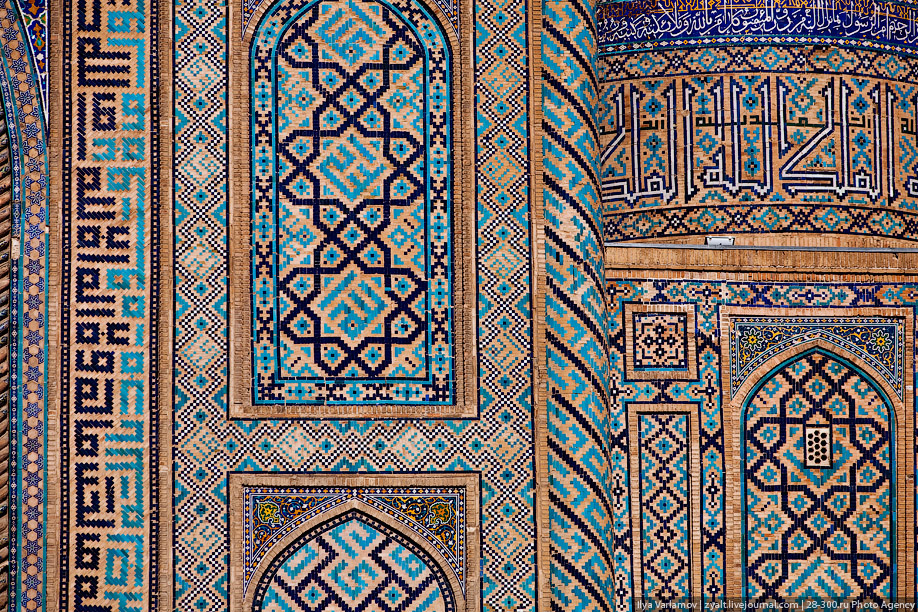
Capital of Tamerlane's empire, Samarkand is Uzbekistan's most iconic city. Registan Square, framed by three madrasas covered in turquoise ceramics and golden mosaics, is one of the most beautiful squares in the world. Don't miss the Gur-e-Amir mausoleum, the Shah-i-Zinda necropolis and the Ulugh Beg Observatory.
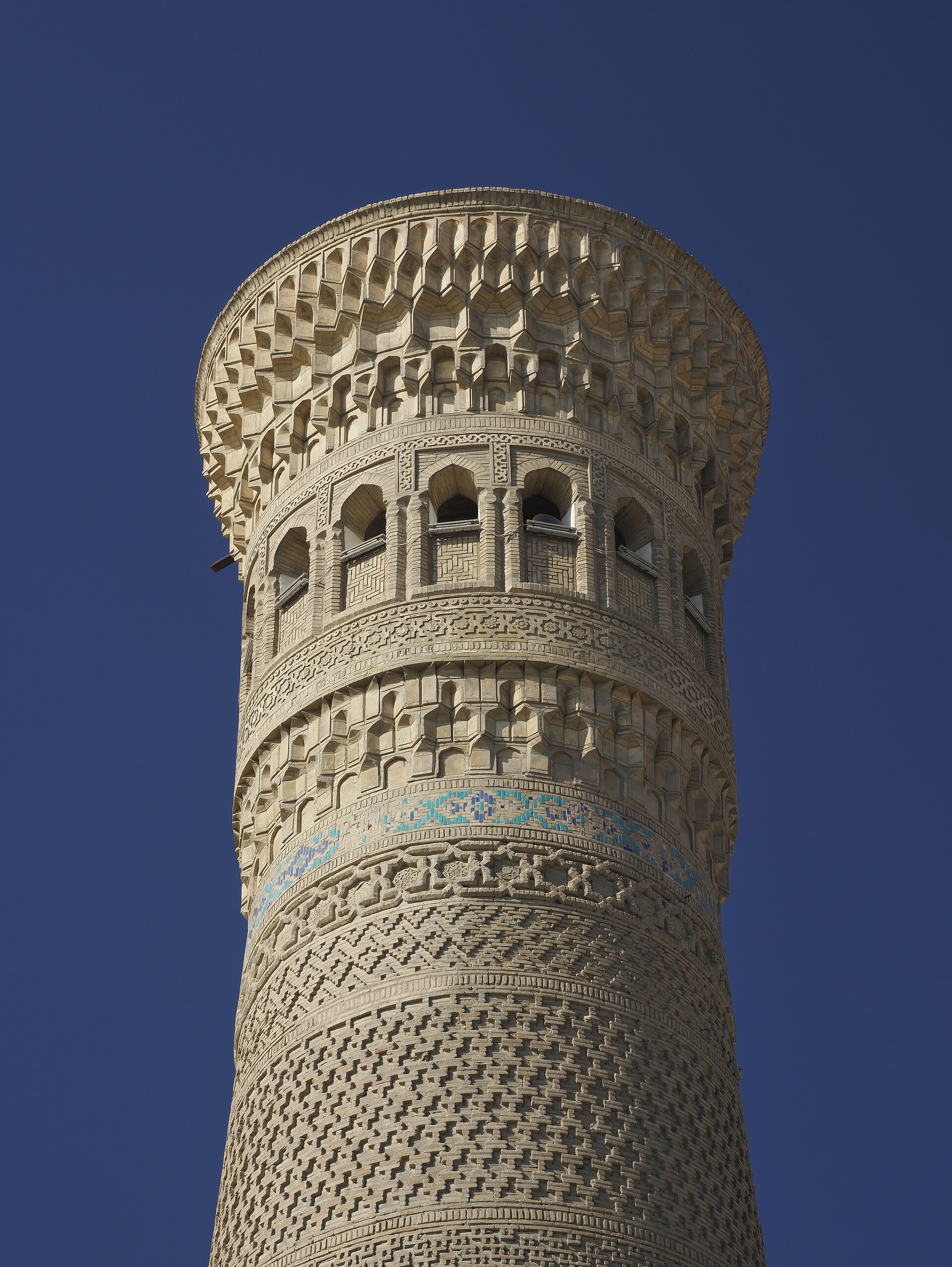
Bukhara is arguably the best-preserved city in Central Asia: its UNESCO-listed historic centre can be explored on foot among madrasas, caravanserais and the Kalon Minaret, nearly 1,000 years old. The atmosphere here is more intimate and authentic than in the larger tourist capitals.
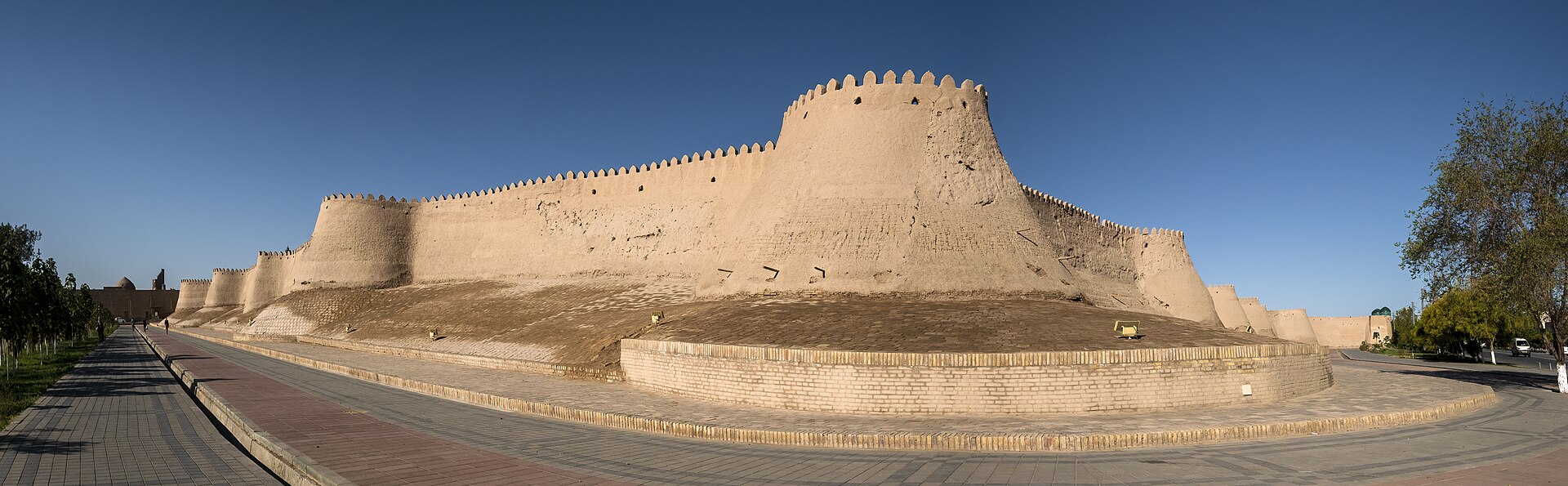
At the gates of the Kyzylkum desert, Khiva surprises visitors with its fortified city of Itchan Kala, entirely preserved and UNESCO-listed. Smaller and less visited than Samarkand or Bukhara, it offers an almost timeless experience, especially at sunrise and sunset.
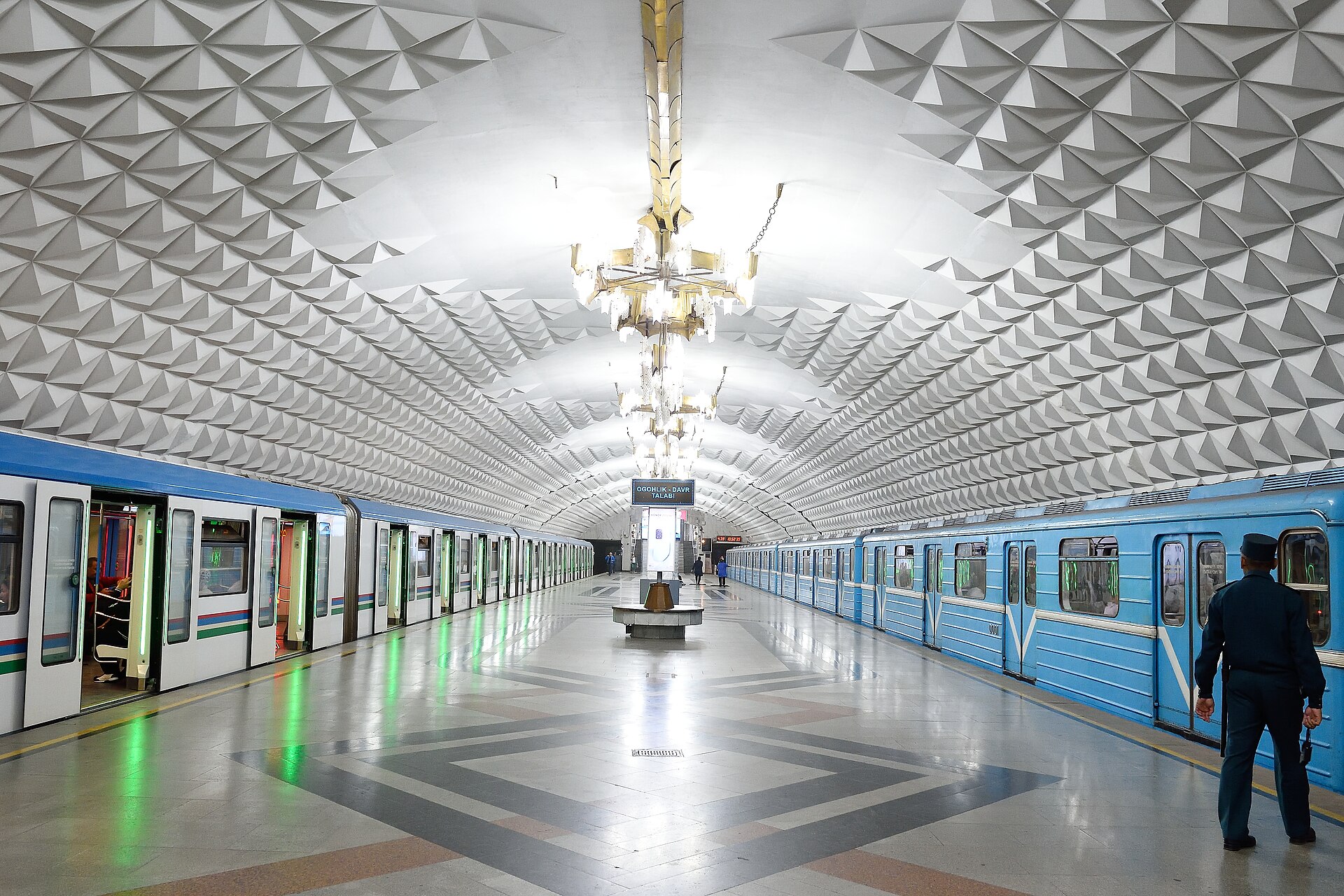
The entry point for most trips, Tashkent mixes monumental Soviet architecture, a metro with stations worthy of museums, and traditional districts like Chorsu. An often underrated stop that's full of surprises, especially for fans of 20th-century urbanism and history.
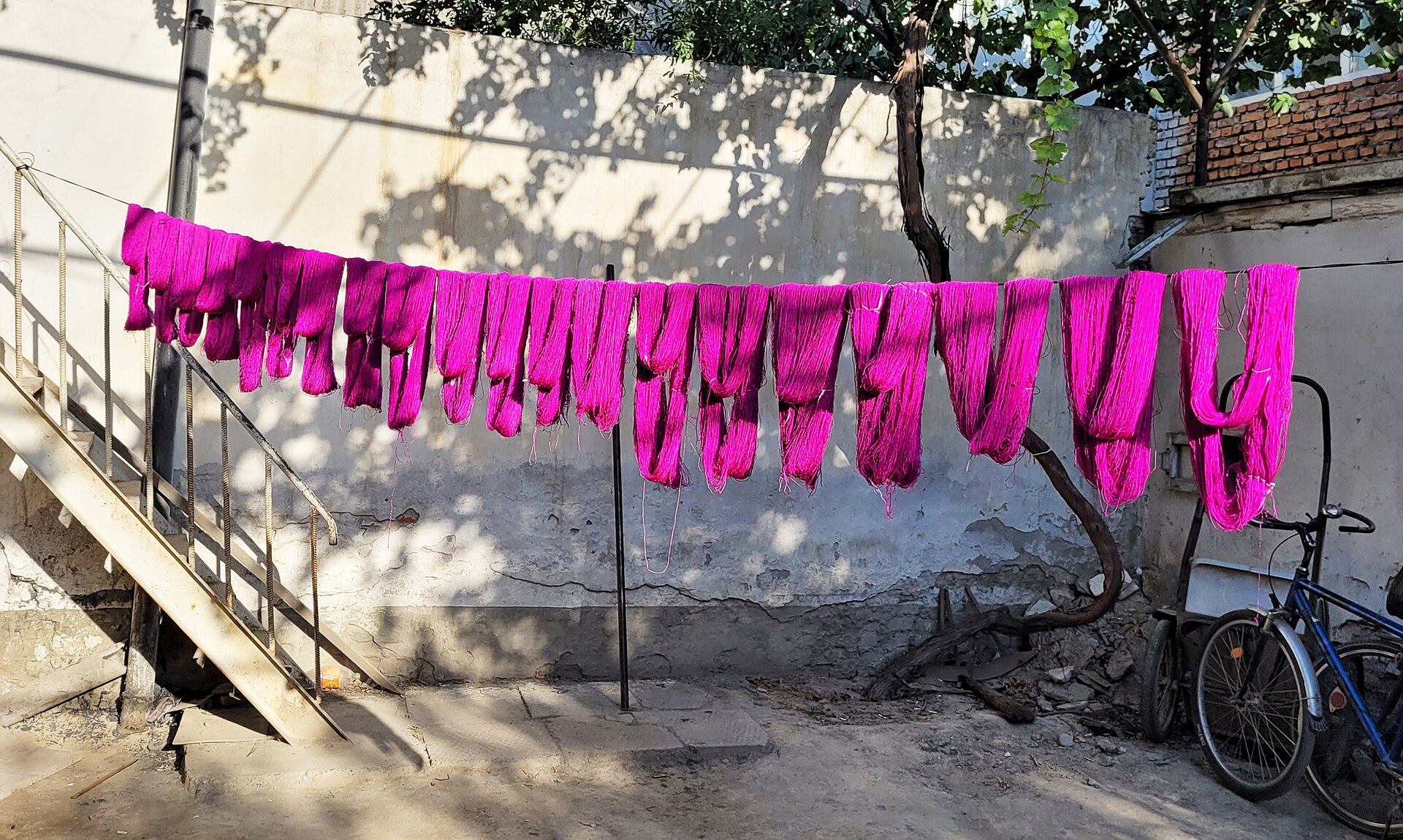
For travellers with more time, the Fergana Valley holds wonderful craft discoveries: silk workshops in Margilan, ceramics in Rishtan, and a preserved rural way of life, far from the major tourist sites.
Discover our ready-made itineraries linking these cities according to the length of your trip.
See the itineraries